
Reviewed · PODGORICA TOURS
MONASTERY TOUR – Impressive Montenegrin Monasteries
Montenegro’s most memorable religious sights are not all grand churches. One is a cave shaped like a cross, another has survived repeated destruction, and the last is carved into a cliff high above the plain. This private day tour links those places with Podgorica’s striking modern cathedral, giving you a much fuller picture than a quick trip to Ostrog alone.
I like the private format, since your guide can adjust the pace, arrange breaks, and give extra help when needed. I also like the range of sites: Dajbabe feels quiet and unusual, Ždrebaonik offers a close look at a working women’s monastery, and Ostrog supplies the dramatic finale.
The main thing to consider is the long day and the busy conditions at Ostrog. The $132.53 price includes a private air-conditioned vehicle, pickup, and taxes, but personal expenses such as lunch are extra. Communication before departure has also been uneven for some customers, so confirm the details after booking.
In This Review
- Key points at a glance
- Four sacred places, four very different moods
- Dajbabe Monastery and its cross-shaped cave
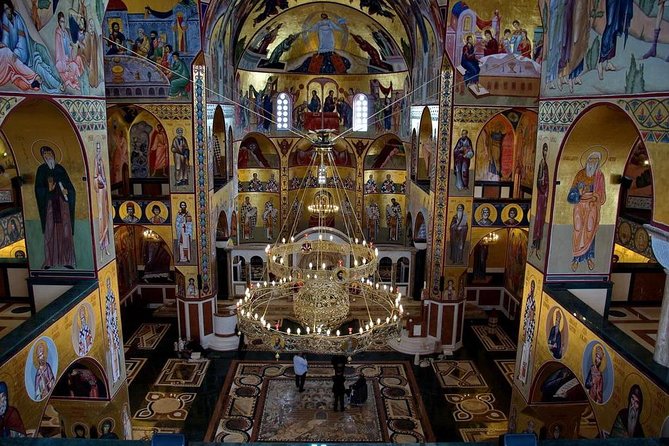
- Podgorica’s Cathedral of the Resurrection
- Ždrebaonik, a monastery rebuilt again and again
- Ostrog Monastery at 900 metres
- Why a private guide changes the day
- Seven hours on the road
- Is $132.53 a fair price?
- What I would confirm before booking
- Who should book this monastery tour?
- Should you book it?
- FAQ
- Where does the monastery tour depart from?
- How long does the tour last?
- How much does the tour cost?
- Is this a private tour?
- Which monasteries and churches are visited?
- Is an English-speaking guide provided?
- Are entrance fees included?
- Is lunch included?
- What happens if the weather is poor?
Key points at a glance
- A cave monastery begins the day: Dajbabe occupies a natural rock setting shaped into a cross.
- Four major stops in about seven hours: The route combines old monasteries with Podgorica’s modern Cathedral of the Resurrection.
- Ostrog is the dramatic finale: The famous pilgrimage site is built into steep rock at about 900 metres above sea level.
- Private means flexible: Guides including Tamara, Ivan, Lidia, Darko, and Moawiyah have adjusted stops, breaks, and explanations to suit individual needs.
- Pickup is broad: You can request collection from your preferred location, with departure options from Podgorica, Kotor, or Budva.
- The price covers transport, not spending money: Air-conditioning, fees, and private service are included, while food and personal purchases are not.
Four sacred places, four very different moods
This is not simply a drive to Montenegro’s best-known monastery. The appeal is the contrast between the stops.
Dajbabe is small, unusual, and shaped by both people and nature. The Resurrection Cathedral in Podgorica brings you into a modern Orthodox setting with bold decoration and unusual building techniques. Ždrebaonik feels more intimate, with nuns, workshops, a library, and rooms connected to monastic life. Ostrog is the grand visual finish, perched in the rock and drawing people of many faiths.
I think that variety gives the tour its value. If you visit Ostrog alone, you see a remarkable place but only one part of Montenegro’s religious identity. Here, you can compare an adapted cave, a new city cathedral, a rebuilt convent, and a major pilgrimage center in one day.
Other Podgorica days people book alongside this one:
- Skadar Lake National Park Guided Boat Tour with Wooden Boat
★ 5.0 · 91 reviews - Best from our coast (Kotor bay, Budva, Sv Stefan, Skadar lake)
★ 5.0 · 79 reviews - GREAT MONTENEGRO TOUR Cetinje – Njeguši – Kotor – Budva – Bečići – Saint Stefan
★ 5.0 · 69 reviews
Dajbabe Monastery and its cross-shaped cave
The first stop is Dajbabe Monastery, reached from the Podgorica area. Its defining feature is the cave itself, adapted within rocks in the shape of a cross. That makes the visit feel different from a standard church stop, since the setting is part of the sacred space rather than just a backdrop.
You have about an hour here, enough time for your guide to explain the site and for you to look carefully rather than rush through. The admission cost is included, with no separate ticket listed.
I would pay attention to how much of the place comes from the natural rock and how much has been shaped for worship. Dajbabe works best as an opening stop because it is more secluded and less monumental than Ostrog. It gives you a quiet start before the larger religious sites later in the day.
The tour description calls Dajbabe a secret monastery, but you should not expect an elaborate attraction with a long list of facilities. Its appeal is its setting and spiritual character. If you prefer famous buildings with broad interiors, this may feel modest. If you enjoy places that feel specific to their surroundings, it may be one of your favorite stops.
Podgorica’s Cathedral of the Resurrection
After Dajbabe, the tour shifts from an older, cave-based religious site to the modern Saborni Hram Hristovog Vaskrsenja, or Cathedral of the Resurrection of Christ, in Podgorica.
Allow about 45 minutes. That is a sensible amount of time for a guided look at the architecture and decoration without turning the visit into a long formal service tour. The cathedral took 20 years to complete and used techniques that had not been in use for eight centuries, giving your guide plenty to explain about the building’s place in modern Montenegro.
I like this stop because it prevents the day from becoming a string of remote monasteries. You get a clear contrast between an old sacred cave and a large, newly completed city church. The cathedral also gives you a better sense of Podgorica itself and the way Orthodox religious design remains important in the capital.
Your guide can explain the symbolism and construction more clearly than a quick self-guided visit. Tamara has been praised for making the religious and historical background easy to understand, while guides such as Lidia have also added useful context about Montenegrin culture and society.
Ždrebaonik, a monastery rebuilt again and again
The route continues toward Danilovgrad and Ždrebaonik Monastery. Its story is one of survival. The monastery was burned and destroyed in every war that occurred in the area, yet it has been rebuilt and continues to function.
You have about an hour here. Ždrebaonik is a women’s monastery, with a library, dormitories, and spaces where nuns make icons and souvenirs. Those details matter because they show the place as a living religious community, not just a preserved monument.
This is likely to be the most personal stop of the day. At Ostrog, the scale and reputation can dominate your attention. At Ždrebaonik, you can focus on the daily work behind a monastery’s survival, including the making of icons and handmade items.
Personal purchases are not included in the tour price, so allow for your own spending if you wish to buy souvenirs. Do not treat this as a shopping stop, though. The main value is seeing how the monastery operates and hearing how war, rebuilding, and devotion shaped its current form.
Same bay, a completely different day out:
- Skadar Lake National Park: Guided Boat Tour to Kom Monastery
★ 4.5 · 49 reviews - Durmitor – Black Lake & Tara River Canyon – North Montenegro tour
★ 5.0 · 41 reviews - Private transfers from Podgorica Airport and city to Budva
★ 5.0 · 41 reviews - Podgorica Historic, Safari and Winery tour – Skadar lake and River Crnojevica
★ 4.5 · 39 reviews
Ostrog Monastery at 900 metres
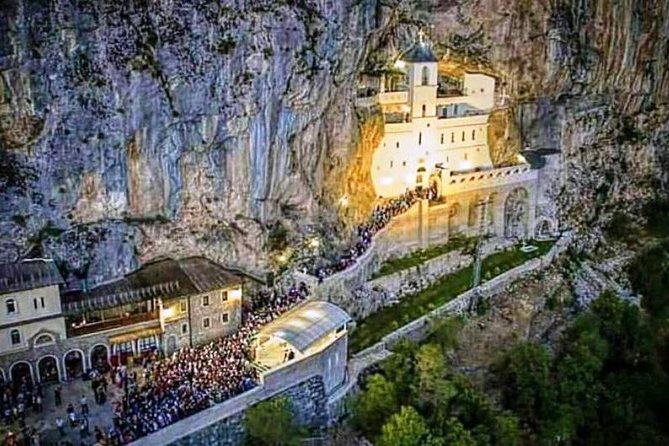
Ostrog is the reason many people book this excursion, and it is an extraordinary final stop. Carved into steep rock at roughly 900 metres above sea level, it has become one of the most visited pilgrimage sites in the Balkans.
The scheduled visit lasts about one hour and 40 minutes, the longest stop of the day. That extra time is useful because Ostrog is not just a quick photo point. You will need time to take in the cliff setting, visit the religious spaces available during your visit, and listen as your guide explains why people come here.
The monastery is associated with healing and spiritual change, and it attracts people of many religions. You do not need to share the same beliefs to appreciate the strength of the place. The cliff setting, the sense of pilgrimage, and the continuing devotion give Ostrog a seriousness that a scenic viewpoint cannot match.
There is one clear drawback: Ostrog can be crowded. The popularity that makes it important also means the visit may feel less calm than Dajbabe or Ždrebaonik. If you want silence and solitude, manage your expectations. If you want to see a major living pilgrimage site, the crowds are part of the experience.
The route may also require more care for anyone with limited mobility. One guide, Moawiyah, helped a customer with severe knee pain by arranging access at a gate and planning breaks. That is encouraging, but you should still explain your needs in advance. The tour is described as suitable for most people, not as a fully accessible excursion.
Why a private guide changes the day
A private tour is more than having the vehicle to yourself. It lets the day respond to you.
Tamara is repeatedly praised for clear English, detailed explanations, thoughtful care, and safe driving. Ivan has been described as punctual, passionate about Montenegro’s past, and willing to let the day unfold without rushing. Moawiyah has earned praise for cautious driving, conversation, and practical help. Lidia has added cultural background and Spanish-language support, while Darko has been described as polite and attentive with good English.
Because the guide is also commonly the driver, you get one person handling the road and the interpretation. That can create an easy rhythm between stops. You can ask about religion, family life, history, or present-day Montenegro rather than receiving a fixed speech and moving on.
The private format also helps if your group has different energy levels. One person may want more time at the cathedral, another may need a rest, and someone else may want to ask more questions at Ždrebaonik. Several guides have arranged breaks and adjusted the pace for individual needs.
The trade-off is that your experience depends on the particular guide assigned. The strongest feedback centers on Tamara, Ivan, Moawiyah, and Lidia, but the tour may not guarantee a specific person. If a named guide matters to you, ask when you book.
Seven hours on the road
The advertised duration is about seven hours. That is long enough to include four substantial stops, but it is still a tightly planned day.
Pickup is offered from the place you prefer, and departure can be arranged from Podgorica, Kotor, or Budva. The wider pickup area is useful if you are staying outside the capital, though the total day may feel longer once driving is added. Confirm your pickup point and start time clearly, especially since several tour times may be available.
An air-conditioned vehicle is included. Past vehicles have included a sedan in good condition, and careful driving has been an important part of the experience for many customers. The vehicle matters here because the day includes several sites spread around the Podgorica and Danilovgrad area, with Ostrog farther into the route.
A break and lunch stop may be arranged during the day. Food is not included, so bring money for your meal and any drinks or souvenirs. One guide arranged lunch and regular pauses for a customer who needed them, which shows how the private setup can help, but you should not assume a particular restaurant or menu.
Wear clothing suitable for religious sites and bring patience for changing conditions at Ostrog. The experience requires good weather, and poor weather can lead to a new date or a full refund.
Is $132.53 a fair price?
At $132.53 per person, this is not the cheapest way to see one monastery. It becomes better value when you use the full package: private transport, pickup, an English-speaking guide, several sites, and about seven hours of attention from one person.
The comparison is simple. A quick independent visit to Ostrog might cost less, but it would not give you the same context or include Dajbabe, the Podgorica cathedral, and Ždrebaonik. You would also be responsible for arranging the route and interpreting the religious and cultural details yourself.
For a couple or small group, the private price can make sense, especially since group discounts are offered. You are paying for flexibility as well as transport. If you only want the famous cliff monastery and do not care about the other three stops, a shorter option may suit you better.
All fees and taxes are included, which keeps the main cost clear. Personal expenses are not. Since the price is per person, check the group discount before booking if you are not traveling alone.
What I would confirm before booking
I would ask four practical questions before paying:
- Which pickup location and departure time are confirmed?
- Can I request Tamara, Ivan, Moawiyah, or another particular guide?
- How will the day handle mobility needs at Dajbabe and Ostrog?
- Where is the planned meal break, and how much free time is available?
Confirmation is sent within 48 hours, subject to availability. Communication before the day has not always been smooth, so keep your confirmation and follow up if details remain unclear. Once pickup has happened, the practical side of the tour appears much stronger, with guides arriving on time and taking care of the day’s flow.
Free cancellation is available up to 24 hours before the start time for a full refund. Cancellations or changes made less than 24 hours ahead are not refunded or accepted, and weather cancellations result in either another date or a full refund.
Who should book this monastery tour?
I would choose this tour if you want Montenegro’s religious sites explained rather than simply photographed. It is especially well suited to couples, families, older people who value help with pacing, and small groups that want a private vehicle.
It also suits anyone staying in Podgorica, Kotor, or Budva who wants a full day away from the coast. You get culture, architecture, religious tradition, and mountain scenery without having to plan the route yourself.
I would hesitate if you dislike long sightseeing days, prefer to travel entirely on your own, or want guaranteed solitude at Ostrog. The schedule is full, the most famous stop may be crowded, and lunch and personal costs are extra.
Should you book it?
Book it if you want more than a single visit to Ostrog. The strongest feature is the combination of four very different religious places, made far more useful by a private guide who can explain Montenegro’s past and present in plain English.
The most important booking tip is to confirm communication, pickup, guide availability, and mobility needs before the day. If those details are settled, $132.53 is a reasonable price for a private seven-hour route with transport, taxes, and flexible attention. For a deeper look at Montenegro’s spiritual traditions, this is one of the better day trips based around Podgorica.
FAQ
Where does the monastery tour depart from?
Pickup is offered from your preferred location. Departure can also be arranged from Podgorica, Kotor, or Budva.
How long does the tour last?
The tour lasts approximately seven hours.
How much does the tour cost?
The listed price is $132.53 per person. Group discounts are available.
Is this a private tour?
Yes. Only your group participates, rather than joining a larger shared group.
Which monasteries and churches are visited?
The route includes Dajbabe Monastery, the Cathedral of the Resurrection of Christ in Podgorica, Ždrebaonik Monastery, and Ostrog Monastery. The detailed route also refers to the upper and lower parts of Ostrog.
Is an English-speaking guide provided?
Yes. The experience is offered in English. Guides associated with the tour include Tamara, Ivan, Moawiyah, Lidia, and Darko.
Are entrance fees included?
Yes. All fees and taxes are included, and admission is listed as free at each stop.
Is lunch included?
No. Personal expenses are not included. A lunch break may be arranged during the day, but you pay for your own meal.
What happens if the weather is poor?
The experience requires good weather. If it is canceled because of weather, you will be offered another date or a full refund. You can also cancel up to 24 hours before the start time for a full refund.
Just added around Podgorica
- Private Skadar Lake National Park Tour with Wooden Boat and Wine★ 4.5 · 4 reviews
- Durmitor National Park, Northern Fairy Tail -private tour from Podgorica★ 5.0 · 7 reviews
- NORTH TOUR Np Biograd Gora-Lake-Moraca Canyon & Monastery-Kolasin★ 5.0 · 3 reviews
- Private transfer from Airport Podgorica and city to Kotor★ 5.0 · 8 reviews
- Private transfer from Podgorica airport or Podgorica to Tivat★ 5.0 · 5 reviews
- Private half day tour -Podgorica with its surroundinggs★ 5.0 · 7 reviews
- Private Durmitor National Park and Black Lake Tour★ 5.0 · 5 reviews
- Airport Transfer Podgorica to Portonovi / Herceg Novi★ 5.0 · 4 reviews
Podgorica Tours, compared.
Skadar Lake National Park Guided Boat Tour with Wooden Boat
Read our review →
Best from our coast (Kotor bay, Budva, Sv Stefan, Skadar lake)
Read our review →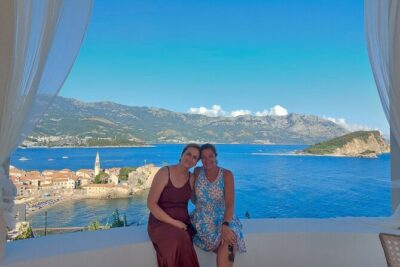
GREAT MONTENEGRO TOUR Cetinje – Njeguši – Kotor – Budva – Bečići – Saint Stefan
Read our review →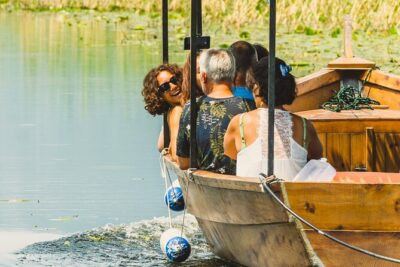
Skadar Lake National Park: Guided Boat Tour to Kom Monastery
Read our review →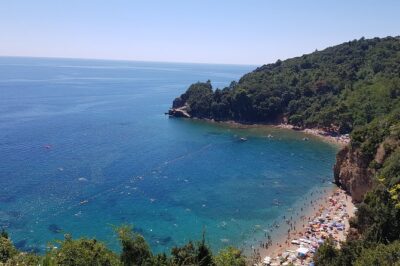
Private transfers from Podgorica Airport and city to Budva
Read our review →
Durmitor – Black Lake & Tara River Canyon – North Montenegro tour
Read our review →
Podgorica Historic, Safari and Winery tour – Skadar lake and River Crnojevica
Read our review →
Private Full-Day Tour in Moraca and Tara Canyons, Durmitor & Biogradska Gora NP
Read our review →Browse the lists this tour appears in